What Do You Love Doing?

What Do You Love Doing?

What Do You Love Doing?

I wonder if we have anything in common?

I love:

  • cycling on my ebike. 
  • Nordic Walking. (I try to go out every day.)
  • getting together with my large family.
  • drawing, and printing without a printing press.
  • eating very dark chocolate. The darker, the better.
  • reading interior design and garden design magazines.
  • using all my kitchen gadgets. (My blender is my favourite!)
  • working on my Apple devices.
  • interacting with others on social media.

Of course, there’s a lot more I could add.

But it’s a start.

What about you? What do you love doing?

Do we have anything in common?

A Strategy To Help You Focus

A Strategy To Help You Focus

A Strategy To Help You Focus

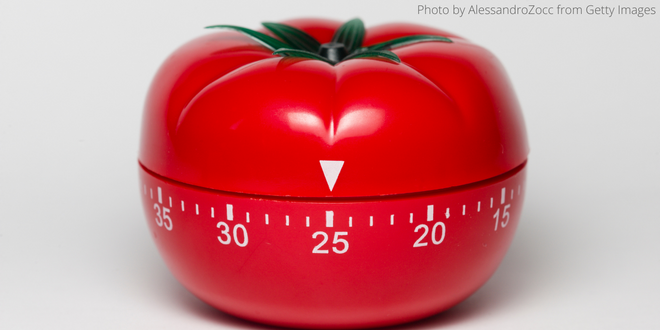
The Pomodoro technique is my favourite strategy to stay focussed. 

But I must confess that I have to remind myself from time to time to go back to using it! 😔

Nobody’s perfect. Right?

So how does it work?

  1. Decide on a task.
  2. Set the timer to 25 minutes.
  3. Work until the timer rings.
  4. Take a 5-minute break.
  5. Repeat steps 1—4 four times.
  6. Take a longer break.

A simple yet effective strategy, don’t you think?

Have you ever used this technique yourself?

Or can you recommend a different one?

Do You Watch English Films?

Do You Watch English Films?

Do You Watch English Films?

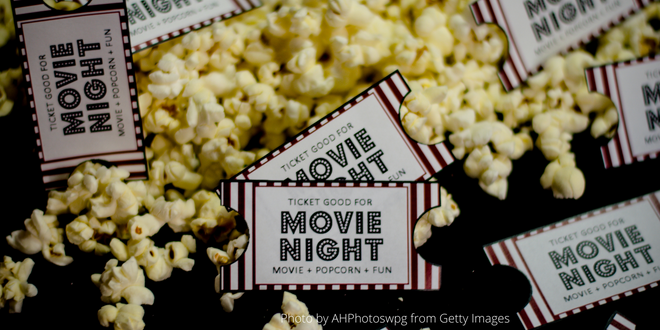
If you watch an English film in German, it means that the original soundtrack has been replaced with a new recording.

We say that a film has been “dubbed” and not “synchronised”.

Of course, if you find it difficult to understand  a film in English, you can always switch the subtitles on.

Is this something you already do?

This Text Might Surprise You

This Text Might Surprise You

This Text Might Surprise You

“When you speak and write, no law says you have to use big words. Short words are as good as long ones, and short, old words like sun and grass and home are best of all. A lot of small words, more than you might think, can meet your needs with a strength, grace and charm that large words lack.

Big words can make the way dark for those who hear what you say and read what you write. They add fat to your prose. Small words are the ones we seem to have known from birth. They are like the hearth fire that warms the home, and they cast a clear light on big things: night and day, love and hate, war and peace, life and death.

Short words are bright, like sparks that glow in the night; sharp like the blade of a knife; hot like salt tears that scald the cheek; quick like moths that flit from flame to flame; and terse like the dart and sting of a bee.

If a long word says just what you want, do not fear to use it. But know that our tongue is rich in crisp, brisk, swift, short words. Make them the spine and the heart of what you speak and write. Like fast friends, they will not let you down.”
Richard Lederer, The Miracle of Language

Did you notice anything?

All the words in the four paragraphs above are one-syllable words.

It’s what I keep saying: we don’t need big words to sound intelligent.

By using small words, we are able to express our ideas more clearly and precisely.

And people will understand us more easily.

It just needs practice. 

What do you think?