
What’s Your Apology Language?
What’s Your Apology Language?
You found out your Love Language last week.
Learn your Primary Apology Language to better understand how to heal hurting relationships.

You found out your Love Language last week.
Learn your Primary Apology Language to better understand how to heal hurting relationships.

Play BeanBeanBean and improve your English vocabulary.
Answer a question correctly and you get a “virtual bean,” which is then turned into real money and donated to charity.
Or as American author Dr. Seuss might have said:
“So come on, come on, don’t be shy
Let’s play BeanBeanBean, let’s give it a try
Improving our English, helping those in need
It’s a win-win situation indeed!”
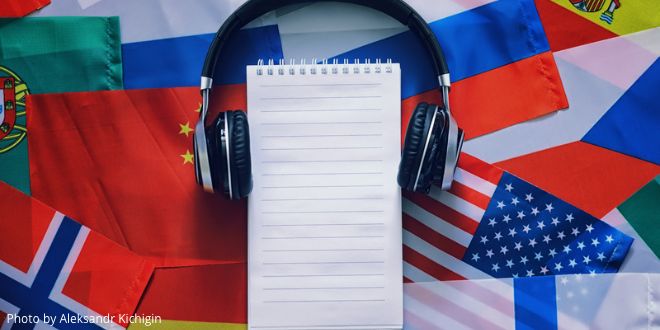
Learning a new language well will change you in ways you never thought possible.
You learn more than words and grammar rules. You learn about the people, their culture and their traditions.
Learning a new language can also help you remember things better and think more clearly. Your brain makes new connections. And this can make it easier for you to learn other things and keep your brain healthy as you age.


I often hear people say, “Don’t mention it” or “No problem” when someone thanks them.
I’d translate that as “Keine Ursache“, a phrase I don’t particularly like.
Of course, we all have our preferences.
What I find unappealing, you might think is just fine.
I’d go for more positive messages, like:
You’re (very) welcome.
My pleasure.
Any time.
I’m pleased you like it.
(Always) happy to help.
Thank you.
Just returning the favour.
I’m sure you’d do the same for me.
Do you have a favourite response?
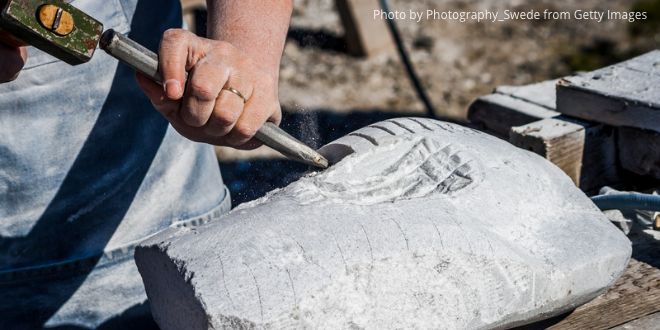
When nothing seems to help, I go and look at a stonecutter hammering away at his rock, perhaps a hundred times without as
much as a crack showing in it. Yet at the hundred and first blow it will split in two, and I know it was not that last blow that did it, but all that had gone before.
Jacob A. Riis
This quotation reminds us that being successful doesn’t mean we have to be perfect or get everything we want immediately.
