Warning: Undefined array key "url" in /home/www/divi/wp-content/plugins/seo-by-rank-math/includes/modules/schema/snippets/class-author.php on line 41
What Is Life About?

What Is Life About?

What Is Life About?

“Life is amazing. And then it’s awful. And then it’s amazing again. And in between the amazing and awful, it’s ordinary and mundane and routine. Breathe in the amazing, hold on through the awful, and relax and exhale during the ordinary. That’s just living heartbreaking, soul-healing, amazing, awful, ordinary life. And it’s breathtakingly beautiful.”
L.R. Knost

Perhaps these words can give you food for thought and a little inspiration.

How Crazily Creative Can You Be?

How Crazily Creative Can You Be?

How Crazily Creative Can You Be?

Can you imagine starting your career by dressing up as an old man or old woman?

Well, that’s exactly what Graham Fink did.

He had just left art school and was looking for a job. The advertising agency he dreamt of working for, told him to “come back in 30 years”, as they didn’t employ students and were looking for people with more experience.

Graham had a brain wave.

A day later, he went back, dressed as an old man with makeup on his face and talcum powder in his hair. And he was offered a job!

Today Graham Fink is one of the world’s most respected and highly awarded creative minds.

Can you be crazily creative?

Read to Your Friends or Family Members

Read to Your Friends or Family Members

Read to Your Friends or Family Members

Generation Carbon: A Carbon Almanac for Kids” is a wonderful way to learn about climate change and what we can do to prevent it.

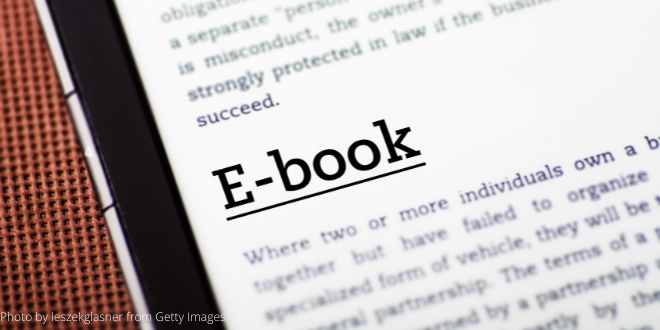
This beautiful ebook provides detailed information on what carbon is, where it comes from, and how it affects our environment. It also offers tips on how we can reduce our carbon footprint.

You might even like to share it with others!

Why We Need To Use Plain English

Why We Need To Use Plain English

Why We Need To Use Plain English

Do you work with non-native speakers of English? If so, why spend time learning idioms and difficult grammatical constructions?

Is it not more important for us all to focus on speaking and writing clearly and correctly? We want our listeners to understand us the first time around—without asking us to repeat what we said, don’t we?

That’s why I prefer to use plain language. A language that most people understand the first time they hear it.

So what can we do?

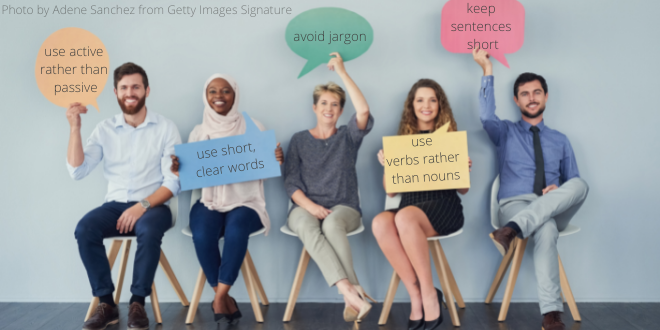
We can:

  • use short, clear words whenever possible,
  • keep most sentences short,
  • avoid jargon and idioms,
  • use active rather than passive whenever possible,
  • choose to use verbs rather than nouns, and
  • avoid abbreviations.

    We’ll make fewer mistakes in our communication. And we can still be creative and expressive—and sound well-educated.

    I’d love to know what you think about this.