Warning: Undefined array key "url" in /home/www/divi/wp-content/plugins/seo-by-rank-math/includes/modules/schema/snippets/class-author.php on line 41
You Probably Know the German Word “Messie”

You Probably Know the German Word “Messie”

You Probably Know the German Word “Messie”

But is it the same in English? It’s not.

Since the late 1990s, people who collect a lot of things and have trouble keeping their homes organised and tidy have been called “Messies” in German. (The word comes from the English word “mess” meaning chaos and clutter).

We don’t use this word in English (just as we don’t use the word “Handy” for a mobile phone).

We call people who hoard items like newspapers, old electronics and empty containers  “hoarders” or even “compulsive hoarders“.  But I’ve also read the words “junkaholic” and “pack rats”.

While researching this word, I even found that there’s a “Messie Hilfe Team” in Germany with an English website. You might like to take a look.

————–

to hoard (obsessively collecting)  – horten, hamstern 

Getting Our Words Right

Getting Our Words Right

Getting Our Words Right

Words are sacred. They deserve respect. If you get the right ones, in the right order, you can nudge the world a little.
Tom Stoppard

If we choose our words carefully and use them in the right way, we can have a positive impact on the world around us.

But how can we choose our words carefully?

We can:

  • think about who we are talking to. This can help us choose words that our audience will understand and respond to;
  • use specific and clear words. This will help us explain things more accurately and clearly;
  • use positive language. This can help us build strong relationships and communicate more effectively;
  • avoid using jargon or technical terms. Unless our audience is familiar with these words, they may be confusing and won’t help us communicate our message;
  • pay attention to the associations different words have. Some words may have different meanings or feelings associated with them. It’s important to choose words that reflect the meaning and tone we want to convey.

If you’d like to practise choosing your words carefully in a fun and relaxed environment, come and join us for a free Speed Networking session next week. 

I’d love to welcome you.

______________

sacred = heilig
to nudge = anstupsen


How Was Your Christmas Break?

How Was Your Christmas Break?

How Was Your Christmas Break?

You’ve probably been wishing people a happy new year.

Perhaps you’ve also been asking, “How was your Christmas break?”—and been receiving general answers. Something like, “Oh it was good, thank you. And yours?”

Such undemanding questions—questions that are easy to answer and don’t require much thought or effort—get simple answers. 

You might like to delve a little deeper.

Try:

  • What was the most memorable part of your holiday season?
  • Did you get a chance to try any new holiday traditions or activities?
  • How did you relax and recharge during the break?

Questions like these can encourage others to think more deeply or widely about a topic, and to consider their own beliefs and perspectives.

Which question would you ask?

————-

undemanding – anspruchslos
to delve deeper into  = tiefer eintauchen, vertiefen

    The Curie Method

    The Curie Method

    The Curie Method

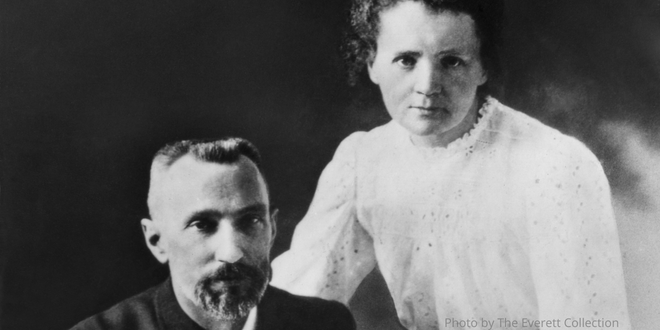
    Do you know anything about the scientific instruments the Curies used?

    Do you find their research on radioactivity easy to understand?

    This comic (actually it’s a cross between a comic, animation, historical novel and science lesson) teaches us in a clear but entertaining way.

    What’s more, it’s beautifully illustrated.

    So French, if you know what I mean.

    (Thank you, Sigrid Alexander for pointing this out to me.)

    Suffering From Information Overload?

    Suffering From Information Overload?

    Suffering From Information Overload?

    You might feel overwhelmed with all the information, data, ideas, insights and concepts you’d like to keep.

    I know I do sometimes.

    So what can we do to organise and store all this data?

    Tiago Forte (here being interviewed by Daniel H. Pink) suggests we give digital note-taking a try. Just for 30 days.

    Tiago mentions the following apps:

    Of course, there are other note-taking apps that may suit your needs.  So you might like to try out a few different options to see which one works best for you.

    You might even already work with a digital note-taking app. If so, I’d love to hear about it.