by Christine Burgmer | May 7, 2017 | Allgemein |
When travelling to Berlin a month or so ago, I was shocked at just how noisy it was on the train. Some people seemed to phone non-stop. And to not worry that everyone else could hear all their plans for the day. And there I was, trying to work quietly. So next time I...
by Christine Burgmer | May 6, 2017 | Allgemein |
My biggest professional ambition is to get a desk where no one can see my computer monitor but me. 😉
![What kind of language geek are you?]()
by Christine Burgmer | May 5, 2017 | Allgemein |
This photo shows my results. Take the Ultimate Language Geek Personality Quiz to find out what kind of language geek you are. A geek = an enthusiast or expert (especially in a technological field or activity)
by Christine Burgmer | May 4, 2017 | Allgemein |
According to this article on the grammarly.com website, entitled “7 Reasons to Love the English Language”, there are now 1.5 billion active speakers of English. And you’re probably one of them! Take a look at the article to learn some surprising...
by Christine Burgmer | May 2, 2017 | Allgemein |
The long dash (also called the em dash) is a punctuation mark often used in informal writing. You can see it here (link to:en.oxforddictionaries.com) The em dash is typically used without spaces on either side. However, most newspapers (and all who follow the AP...
by Christine Burgmer | May 1, 2017 | Allgemein |
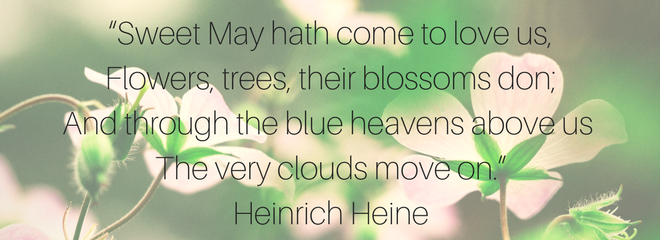
hath = has (it’s an old form of English) to don = to put on (a piece of clothing)

